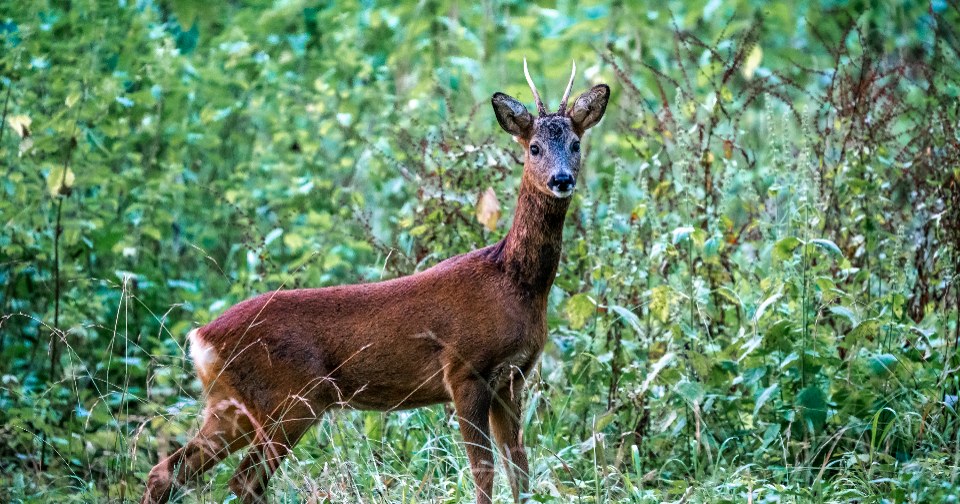
Seeing a wild animal in its natural home is a special moment, but it should never come at the animal’s expense. Good wildlife watching keeps both you and the animals safe.
This guide shares simple, practical habits to help you enjoy wildlife on your travels while protecting nature for the next visitor.
Why Distance Matters
The single most important rule of wildlife watching is to keep your distance. Wild animals are not used to people, and getting too close can scare them, stress them or make them react in ways that put you at risk.
A good sign that you are too close is when an animal stops what it is doing and looks at you. It might stop eating, raise its head, move away or make warning sounds. If you see any of this, quietly step back.
Park rules often set a minimum distance for different animals, and these can differ between places and species. Check the guidance of the park or reserve you are visiting before you go. Here are some simple habits that help:
- Use binoculars or a camera zoom instead of walking closer.
- Never chase an animal or try to make it move for a better photo.
- Move slowly and speak softly so you do not startle anything.
- Always leave animals a clear path to escape.
Plan Ahead Before You Go
Good wildlife watching starts at home. Spend some time learning which animals live in the area you plan to visit, when they are most active and what rules protect them.
Many animals are easiest to see around dawn and dusk, when it is cooler and quieter. Some places also have seasons when animals are nesting, raising young or migrating, and visitors may be asked to avoid certain areas at those times.
Before your trip, it helps to:
- Read the official website of the park, reserve or protected area.
- Look for rules about trails, permits, guided access and closed zones.
- Learn which animals can be dangerous and how to react if you meet one.
- Ask staff at the visitor centre for current advice on where animals have been seen.
Rules and permits can change, so always check with the official source before you travel.
What to Bring and What to Wear
You do not need much to enjoy wildlife watching, but a few simple items make the day more comfortable and more rewarding.
Binoculars are the most useful tool because they let you see detail from far away. A camera with a zoom lens or a phone with a good zoom can also help. A small notebook is a nice extra if you like to record what you see.
Choose clothes in quiet, natural colours such as green, brown or grey. Bright colours and noisy fabrics can be easy for animals to notice. Wear sturdy, comfortable shoes and dress in layers so you can stay warm while you wait still for long periods.
Remember the basics of outdoor safety too:
- Carry plenty of drinking water and some snacks.
- Bring sun protection and a rain layer.
- Tell someone your route and when you plan to return.
- Carry a map, as phone signal may be weak in wild areas.
How to Behave on the Trail
The way you move through nature changes what you will see. Walking quietly and stopping often will give you far better chances than hurrying along.
Stay on marked paths. Trails protect fragile plants and nesting areas, and they also help animals know where people are likely to be. Leaving the path can damage habitat and may put you in danger.
Keep noise low. Loud voices, music and sudden movements can send animals away long before you notice them. Turn off phone sounds and flash on your camera, since sudden light can frighten animals, especially at night.
If you travel with children, explain the rules before you start. Children often enjoy being given a job, such as spotting tracks, feathers or signs of animals, and it helps them stay calm and quiet.
Never Feed or Touch Wild Animals
It can be tempting to offer food to a friendly looking animal, but feeding wildlife causes real harm. Human food is often unhealthy for animals, and animals that learn to expect food from people can lose their natural fear and become bold or aggressive.
Animals that become used to people are often moved or removed, which is a sad outcome for them. Many parks have rules against feeding, and breaking them can lead to a fine, so always follow local signs.
Do not touch wild animals or try to pick up young animals that seem alone. A young animal is often waiting for a parent who is nearby. If you think an animal is hurt or in trouble, keep your distance and tell park staff or a local wildlife organisation.
Take your rubbish with you, too. Food wrappers and plastic can attract animals and be harmful if swallowed. Pack out everything you bring in.
Choose Ethical Experiences
Not every wildlife experience treats animals well. When you plan activities, think about whether the animals are free to behave naturally and whether the activity supports their protection.
Be careful with any activity that lets you touch, hold or take photos with wild animals, or that keeps animals in poor conditions. These often involve stress or harm for the animals, even if they look calm.
Instead, look for experiences that:
- Let animals live freely in their natural habitat.
- Limit group sizes and keep a safe distance.
- Use trained local guides who share knowledge about the environment.
- Put visitor safety and animal welfare before getting the perfect photo.
Local guides can also help you spot animals you might miss alone, and they know which areas are open and which are resting. Check that any guide or group follows official park rules.
Conclusion
Watching wildlife is one of the most memorable parts of travelling in nature. With a little preparation, patience and respect, you can enjoy it safely and leave the animals undisturbed.
Keep your distance, stay on marked paths, never feed or touch animals, and follow local rules. Take only photos and memories, and leave only footprints. The animals you see are living their own lives, and the best moments often come when you are quiet, calm and still.
Before you go, check the official website of the area you plan to visit for the latest rules, closures and safety advice.
This article is for general informational purposes only. Travel conditions and requirements can change, so please check official sources before making travel decisions.