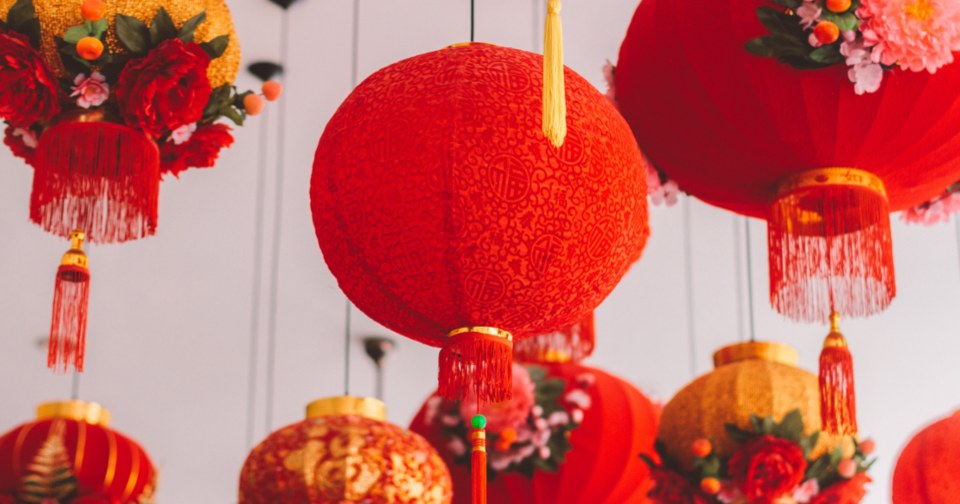
Local festivals are one of the best ways to understand a place. Music, food, costumes and shared rituals show you what a community values. This guide explains how to enjoy a festival as a visitor, stay comfortable, and be a respectful guest.
Learn What the Festival Is About
Before you go, find out why the festival is held. Some celebrate a harvest or a season. Others mark a religious occasion, a historical event or a local tradition passed down for generations. Knowing the purpose helps you understand what you are seeing and how to behave.
Some festivals are joyful and noisy. Others are quiet and solemn, even if they look colourful. A little background helps you match the mood of the day instead of guessing.
- Read about the festival on the official tourism page or the website of the local council.
- Check the dates, because many festivals follow a lunar or traditional calendar and the dates can change each year.
- Look for a programme that lists parades, ceremonies and performances, with times and locations.
- Ask the staff at your accommodation what locals enjoy most about the event.
Plan Ahead for Crowds and Closures
Festivals bring large crowds, and that affects almost everything around them. Roads may be closed, public transport may be busy, and accommodation in small towns can fill up well in advance. A bit of planning makes the experience far more relaxing.
If you can, arrive a day early. This gives you time to find your way around before the streets fill up. It also lets you see the preparations, which can be a lovely part of the event.
- Book your stay early, or consider staying in a nearby town and travelling in.
- Check the official transport information, as services may change on festival days.
- Expect some shops and attractions to close, especially on days with religious importance.
- Choose a meeting point with your group in case phone signals become weak in the crowd.
Dress and Behave Respectfully
What you wear can matter a great deal at cultural and religious events. In many places, covered shoulders and knees are expected at ceremonies. Some events ask visitors to remove shoes or hats. When in doubt, choose modest, comfortable clothing, and carry a light scarf or shawl you can use if needed.
Watch what local people do and follow their lead. If everyone goes quiet, do the same. If people stand, stand with them. You do not need to take part in every ritual, but you should never mock or interrupt one.
- Keep your voice low near ceremonies and sacred spaces.
- Do not step into roped-off areas or touch objects used in rituals.
- Follow any instructions from organisers and volunteers.
- Avoid wearing costumes that copy traditional or sacred dress unless you are clearly invited to.
Take Photos With Care
Festivals are very photogenic, but a camera can easily become intrusive. Some ceremonies do not allow photography at all. Signs or organisers will usually tell you, and if there is any doubt, simply ask.
When you want to photograph a person, ask first. A smile and a gesture toward your camera is often enough. If someone says no, accept it kindly and move on. Remember that performers and participants are people sharing something meaningful, not a backdrop for your pictures.
- Do not use flash during quiet performances or ceremonies.
- Stay out of the way of processions, performers and photographers who are working.
- Put your phone down now and then and simply enjoy the moment.
- Think before posting photos of children or of private moments online.
Eat, Drink and Stay Well
Festival food is often a highlight, because many dishes are made only for special occasions. Try something new, and ask what a dish is called and what it means. Vendors are often happy to explain, and it is a friendly way to start a conversation.
At the same time, look after your health. Long days outdoors with crowds, heat and unfamiliar food can be tiring. Pace yourself and listen to your body.
- Choose busy stalls where food is cooked fresh and served hot.
- Carry a refillable water bottle and drink regularly, especially in warm weather.
- Tell vendors about any food allergies, and learn how to say them in the local language.
- Wear comfortable shoes, since you will probably walk and stand for hours.
- Bring sun protection or rain gear, depending on the season.
Keep Yourself and Your Belongings Safe
Crowded events can be a place where small problems happen, such as lost items or pickpocketing. A few simple habits go a long way. Carry only what you need, and keep your valuables close to your body.
It also helps to know where the exits, first aid points and information desks are. If a crowd becomes too tight or uncomfortable, step to the edge and move away calmly. Nothing is worth getting caught in a crush.
- Use a bag that closes securely and wear it in front of you.
- Keep a copy of important details separate from your wallet.
- Agree on a plan with your group if you get separated.
- Follow official safety announcements and the guidance of local staff.
- Check official sources for any health or safety advice before you travel.
Give Something Back
Festivals are often organised by volunteers and community groups, and they depend on visitors who treat the event well. You can help in simple ways. Take your rubbish with you or use the bins provided, and avoid blocking paths and doorways.
If you want to spend money, consider buying crafts, food and drinks from local makers and small vendors. This supports the people who keep traditions alive. Be polite when you bargain, and remember that a fair price helps everyone.
Finally, be patient. Things may start late, change at the last minute or run differently than the programme says. That is part of the experience. A relaxed attitude will make the day more enjoyable for you and for the people around you.
Conclusion
A local festival can be the most memorable part of a trip, and a little preparation makes it better. Learn what the event means, plan for crowds, dress and behave respectfully, and ask before taking photos. Look after your health and belongings, and support the community that welcomes you.
Most of all, go with curiosity and an open mind. When you treat a festival as a shared celebration rather than a show, you will leave with better memories and a deeper understanding of the place you visited.
This article is for general informational purposes only. Travel conditions and requirements can change, so please check official sources before making travel decisions.