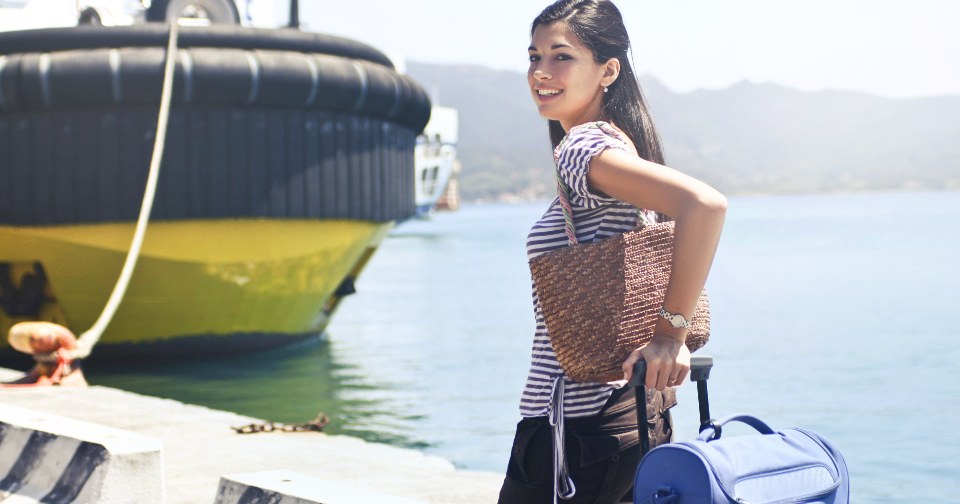
Packing only a carry-on bag can feel like a puzzle, but it is one of the best ways to make travel easier. You skip the baggage queue, avoid lost luggage, and move through stations and airports with less stress. This guide shows you how to plan, pack and organise a small bag in a calm, simple way.
Start With the Trip, Not the Suitcase
Before you take anything out of your wardrobe, think about the trip itself. How many days will you be away? What will the weather probably be like? What will you actually do each day? A beach break, a city weekend and a mountain walk all need different things.
Write a short list of the activities you expect. Then ask yourself what you really need for each one. Most travellers pack for situations that never happen, such as a fancy dinner they do not plan to attend or five pairs of shoes for a three-day trip.
It also helps to check the baggage rules for your transport before you pack. Size and weight limits for carry-on bags differ between carriers and can change, so always read the current rules from the official source of the airline, train or bus service you will use.
Choose the Right Bag
A good carry-on bag is comfortable to carry, easy to open and the right size for your journey. There is no single best choice, but a few features make life easier.
- Soft-sided bags can squeeze into tight spaces and often have handy outside pockets.
- Hard-sided bags protect fragile items and stand up neatly, but they have less give.
- Backpacks keep your hands free and work well on cobbled streets, stairs and uneven paths.
- Wheeled bags save your shoulders on long, smooth walks through terminals.
Whatever you choose, make sure you can lift it comfortably. If you cannot place your bag in the overhead space by yourself, it is probably too heavy.
Build a Small, Mix-and-Match Wardrobe
The secret of light packing is choosing clothes that work together. Pick two or three colours that go well with each other, and avoid items that only match one outfit.
A simple starting point looks like this:
- Two or three tops that can be worn on their own or layered
- Two bottoms, such as trousers and a skirt or shorts
- One light jacket or sweater for cooler evenings
- Enough underwear and socks for a few days
- One outfit for sleeping
- One pair of comfortable walking shoes, plus a second pair only if you truly need it
Layers are your friend. Instead of one heavy coat, wear a few thin layers that you can add or remove as the weather changes. Quick-drying fabrics are also helpful, because you can wash a few items in a sink and hang them up overnight.
Wear your bulkiest shoes and jacket on the travel day. This saves a lot of space inside your bag, and you will not notice the extra weight as much when it is on your body.
Pack Smart: Folding, Rolling and Organising
How you pack matters almost as much as what you pack. Many travellers like to roll soft clothes, because rolls fill small gaps and can reduce creases. Others prefer to fold flat items in neat stacks. Try both at home and see what works best for your bag.
Here is an easy order for loading your bag:
- Put heavier items, such as shoes, near the wheels or the back panel so the bag stays balanced.
- Fill any gaps in the shoes with socks or small items.
- Lay your rolled or folded clothes on top in layers.
- Keep items you may need quickly, such as a light jacket, near the top.
- Place your toiletries bag where you can reach it without unpacking everything.
Small packing pouches or even simple cloth bags can help you stay organised. You can group clothes by type, keep dirty laundry separate and find things without emptying your whole bag in a busy terminal.
Handle Toiletries, Electronics and Documents
These are the items that cause the most trouble at security checks, so give them extra attention.
Toiletries. Many places limit the amount of liquids, gels and creams you can bring in hand luggage. The exact rules differ between countries and can change, so check the official guidance for your departure point and your destination before you go. Travel-size containers, solid soap and solid shampoo bars can save space. Many hotels also provide basic items, so ask yourself what you really need to bring.
Electronics. Bring only what you will actually use. A phone, a charger and perhaps one other device are enough for many trips. Keep cables together in one small pouch, and check whether you need a plug adapter for the places you will visit. Your phone is often your map, ticket and camera, so a spare power bank can be a good idea, but check the carrier’s rules about batteries first.
Documents and money. Keep your passport or identity card, tickets, insurance details and any health papers in one easy-to-reach place. Take a photo of the important pages and store copies safely, in case something is lost. Always check the current entry and document requirements for your destination on the official government website before you travel.
Leave Room and Do a Final Check
Try not to fill your bag to the very top. A little empty space helps you cope with souvenirs, a damp towel or a bottle of water. It also makes the bag easier to close and less likely to burst a zip.
A few days before you leave, do a practice pack. Put everything in the bag, lift it, and walk around the house or up and down some stairs. If it feels heavy now, it will feel much heavier after hours of travel. Take out the least useful items and try again.
On the day of departure, run through this quick checklist:
- Passport or identity card, tickets and any booking details
- Phone, charger and any adapter you need
- Medicines you take regularly, in their original packaging
- Keys, wallet and a way to pay
- A refillable water bottle, empty until you are past security
- A small bag or pocket for items you need during the journey
Conclusion
Packing a carry-on bag is really about making choices. Start with your trip plans, pick a bag you can carry comfortably, and build a small wardrobe of items that work together. Pack in a clear order, keep your documents and essentials close, and leave a little room for the unexpected.
The first time may feel strange, but it gets easier with every trip. You will soon learn what you never use and what you are glad you brought. Travelling light gives you more freedom, less worry and more energy to enjoy the places you are visiting.
This article is for general informational purposes only. Travel conditions and requirements can change, so please check official sources before making travel decisions.