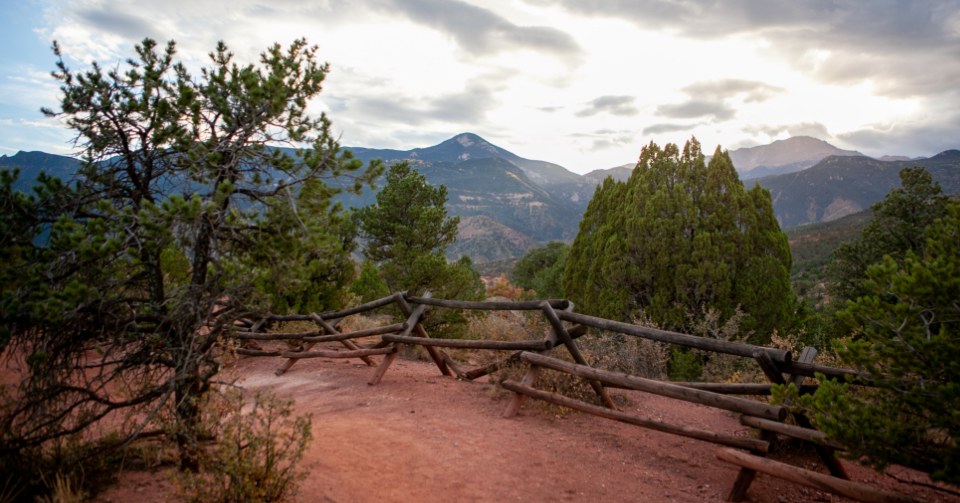
A day hike is one of the simplest ways to enjoy nature. You do not need special skills, but a little preparation makes the day safer and more fun. This guide covers the basics for your first hike.
Choose a Trail That Fits You
The best first hike is one that feels easy, not one that feels impressive. Many new hikers pick a trail that is too long or too steep and end up tired and unhappy halfway through.
When you read a trail description, look at these points:
- Distance: Remember that you must walk back, unless the trail is a one-way route with a clear way home.
- Climbing: Steep sections slow you down more than distance does.
- Surface: Rocky, muddy or sandy paths take more energy than smooth ones.
- Time of year: A trail that is pleasant in spring may be icy, flooded or very hot at other times.
As a rule of thumb, start with a short loop trail close to a town or visitor centre. You can always choose a harder trail next time. Park offices and visitor centres are usually happy to suggest routes for beginners, and official park websites often list trail conditions and closures.
Check the Weather and Daylight
Weather in open country can change quickly, especially in the mountains and near the coast. Check a reliable local forecast the day before and again on the morning of your hike. If storms, strong wind or extreme heat are expected, pick another day or a lower, shorter route.
Daylight matters too. Work out when the sun sets and plan to finish well before then. A trail that looks simple in daylight can be hard to follow in the dark. It is wise to start early, so that a late finish does not turn into a problem.
Remember that conditions in forests, valleys and high ground can differ from the weather in the nearest town. Always be ready to turn around if the sky looks threatening.
Pack the Essentials
You do not need a lot of gear, but a few items matter on every hike. A small daypack is usually enough.
- Water: Bring more than you think you need. Sip often, not just when you feel thirsty.
- Snacks: Food that is easy to carry, such as nuts, fruit or simple sandwiches, keeps your energy steady.
- Navigation: A paper map of the area is a good backup, even if you also use a phone.
- Layers: Bring a light waterproof jacket and one warm layer. It is often cooler on higher ground.
- Sun protection: A hat, sunglasses and sun cream help on open trails.
- Basic first aid: A few plasters and some simple supplies for blisters are worth carrying.
- Light source: A small torch or headlamp helps if you finish later than planned.
Comfortable footwear is just as important. Choose shoes with a good grip that you have already worn, so you know they do not rub. Socks that dry quickly can also help prevent blisters.
Tell Someone Your Plan
Before you leave, tell a friend or family member where you are going and when you expect to return. Share the name of the trail and the car park or starting point. If you are not back by the time you said, they will know to raise the alarm.
Mobile signal can be weak or missing in remote areas, so do not rely on your phone alone. Download maps in advance and keep your battery saved by using airplane mode when you do not need a signal.
If possible, hike with a companion, especially on your first trips. Two people can help each other if one gets tired, slips or feels unwell. If you do go alone, stay on well-used trails and keep your plan simple.
Stay on the Trail and Respect Nature
Marked trails are there for a reason. They protect fragile plants and keep you away from unstable ground. Following signs and trail markers also lowers the chance of getting lost.
If you realise you have lost the trail, stop and stay calm. Look back for the last marker you saw. If you cannot find your way, it is usually better to stay where you are than to keep wandering.
Good hiking habits also protect the places you visit:
- Carry out all your rubbish, including food scraps.
- Keep a respectful distance from wildlife and never feed animals.
- Keep noise low so that others can enjoy the quiet.
- Follow local rules about dogs, fires and camping.
- Step aside to let others pass, and greet people you meet.
Some parks and natural areas have rules about permits, seasonal closures or protected zones. These can change, so check the official park website or office before you travel.
Listen to Your Body
Hiking should feel like a good effort, not a struggle. Set an easy pace where you can still talk. Take short breaks to drink, eat and rest, and do not wait until you are exhausted.
Watch for signs that something is wrong, such as dizziness, a bad headache, cramps or feeling very cold or very hot. If this happens, stop, rest in the shade or shelter, drink water and think about turning back. There is no shame in ending a hike early. Experienced hikers do it often, because they know that a safe return matters more than reaching the end.
If you have a health condition, speak with a health professional before taking on a long or hard hike.
Conclusion
A first day hike does not need to be difficult. Choose a trail that suits you, check the weather and daylight, pack the basics, and let someone know your plan. Stay on the path, respect nature and listen to your body.
With these simple habits, you will be ready to enjoy the fresh air and views. Each hike will also teach you something, and your confidence will grow. Start small, stay safe and enjoy the walk.
This article is for general informational purposes only. Travel conditions and requirements can change, so please check official sources before making travel decisions.