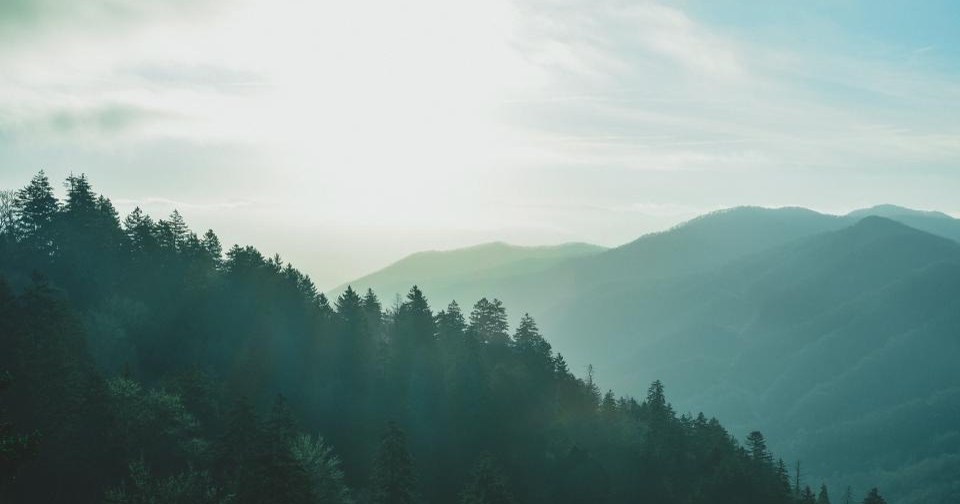
Mountain national parks are some of the most rewarding places to visit, with big views, fresh air and quiet trails. They are also places where the weather, the terrain and the distances can surprise you. A little preparation helps you enjoy the trip and stay safe.
Understand the Setting First
Mountain parks are protected areas, usually set high above the surrounding land. That means conditions can be very different from the nearby town. Valleys may be mild while the high ground is cold, windy or still covered in snow.
Before you go, learn a few basics about the park you plan to visit:
- How high the main viewpoints and trails reach
- Which roads, visitor centres and trails are open in your travel season
- How far the park is from the nearest town, shop or fuel stop
- Whether phone signal is likely to be weak or missing
The park’s official website is the best place to find this information. It is usually kept up to date with closures and notices.
Pick the Right Time of Year
Every season in the mountains has its own character. Summer often brings easier access to high trails, but it can also bring crowds and afternoon storms. Autumn can offer colourful scenery and quieter paths. Winter is beautiful but may close roads and trails, and some services may stop for the season. Spring can be a mix of melting snow, mud and swollen streams.
Think about what you want from the trip. If you hope to hike to high viewpoints, check that the trails are clear of snow and ice. If you prefer gentle scenery, a lower valley walk might be a better fit at any time of year.
Whichever season you choose, look at the forecast just before you travel and again on the morning of each outing. Mountain weather can change quickly.
It also helps to be realistic about distance. A trail that looks short on a map can take much longer when it climbs steeply or the ground is rough. Build in extra time for breaks, photos and slower stretches, especially if you are walking with a group.
Plan for Altitude and Fitness
Higher places have thinner air, and some people feel tired, breathless or unwell when they arrive from lower ground. This can happen even to fit travellers. Taking things slowly in the first day or two usually helps.
Some simple habits can make the first days more comfortable:
- Drink water regularly and eat proper meals
- Choose easy walks before attempting a long climb
- Rest when you need to, and do not rush uphill
- Listen to your body and turn back if you feel unwell
If you have a health condition, or are travelling with young children or older relatives, speak to a doctor or a qualified travel health service before your trip. Health advice can change, so rely on official sources rather than guesses.
Pack for Changing Conditions
The best mountain clothing plan is layers. You can add or remove them as the temperature and your effort change. Even on a sunny day, it can feel cold in the shade or when the wind picks up.
A sensible day pack for a mountain park often includes:
- A warm layer and a waterproof jacket
- Sturdy shoes with good grip
- A hat, sunglasses and sun protection
- Plenty of water and some snacks
- A paper map or a downloaded offline map
- A small first aid kit and a torch or headlamp
Sun is stronger at altitude, so do not skip sun protection just because the air feels cool. Carry more water than you think you need, as streams are not always safe to drink from.
Respect the Rules and the Wildlife
National parks have rules to protect both visitors and nature. These may include staying on marked trails, carrying out your rubbish, limits on campfires, and rules about drones or pets. Some parks require permits for certain activities such as overnight camping or entering popular areas. Requirements differ between parks and can change, so check the official park source before you travel.
Wildlife is part of the attraction, but animals are wild and should be treated with care:
- Keep a safe distance and never try to feed or touch animals
- Store food properly so it does not attract them
- Stay calm and move away slowly if you meet an animal on the trail
- Follow any advice posted at trailheads and visitor centres
Leaving no trace is a simple idea with a big effect. Take only photos, leave plants and rocks where they are, and keep noise low so others can enjoy the quiet.
Think about getting around, too. Mountain roads can be narrow and winding, and parking at popular trailheads may fill early in the day. Arriving early, or using any official shuttle or public transport the park offers, can make the day far less stressful.
Stay Safe on the Trail
Most mountain visits go smoothly, but a few habits lower the risk of problems. Tell someone where you are going and when you expect to be back. Start early so you have plenty of daylight, and set a turnaround time so you are not caught out after dark.
Stay on marked paths and read signs carefully. If clouds build, the wind rises or the path becomes icy, it is wise to change your plan. No viewpoint is worth taking a risk. If you are unsure, ask a ranger or staff member at a visitor centre. They know local conditions better than anyone.
It is also smart to learn the local emergency contact method before you set out. Do not rely only on your phone, since signal can be patchy in mountain areas.
Conclusion
A visit to a mountain national park is easier and safer when you know what to expect. Learn about the setting, choose a good season, take your time with altitude, pack in layers and follow the park’s rules. Check official sources for the latest conditions, and keep your plans flexible. With a little care, you can focus on the part that matters most: enjoying the scenery at your own pace.
This article is for general informational purposes only. Travel conditions and requirements can change, so please check official sources before making travel decisions.