Choosing where to stay is one of the biggest decisions in any trip. The right base saves time, keeps you comfortable and makes the days run smoothly. This guide walks you through a simple way to decide, step by step.
Start With What Your Trip Is About
Before you look at a single listing, ask yourself what the trip is for. A relaxing beach break, a city sightseeing week and a hiking adventure all need different kinds of places to sleep.
Write down your top three goals. For example, you might want to explore old streets on foot, rest after long days, or be close to a trailhead. Your goals tell you what matters most about a location, and they make it easier to say no to options that look nice but do not fit.
It also helps to think about who is travelling. A solo traveller, a couple, a group of friends and a family with young children all have different needs. Be honest about how much space, quiet and privacy each person needs.
Understand the Main Types of Places to Stay
There are many kinds of accommodation, and each has strengths and trade-offs. Knowing the basics helps you compare them fairly.
- Hotels: Usually offer a front desk, daily cleaning and a predictable standard. They suit short stays and travellers who like having help nearby.
- Guesthouses and small inns: Often family-run, with a friendly feel and local advice from the host.
- Hostels: Offer shared or private rooms and common areas. They are a good way to meet other travellers and keep costs down.
- Self-catering apartments and homes: Give you a kitchen and more space, which is helpful for longer stays and groups.
- Campsites and lodges: Put you close to nature, often with simpler facilities.
No single type is best. A short city stay might suit a central hotel, while a week in a quiet countryside area may be more comfortable in a home with a kitchen.
Think Carefully About Location
Location often matters more than the room itself. A beautiful room far from everything can cost you hours in transport and tire you out.
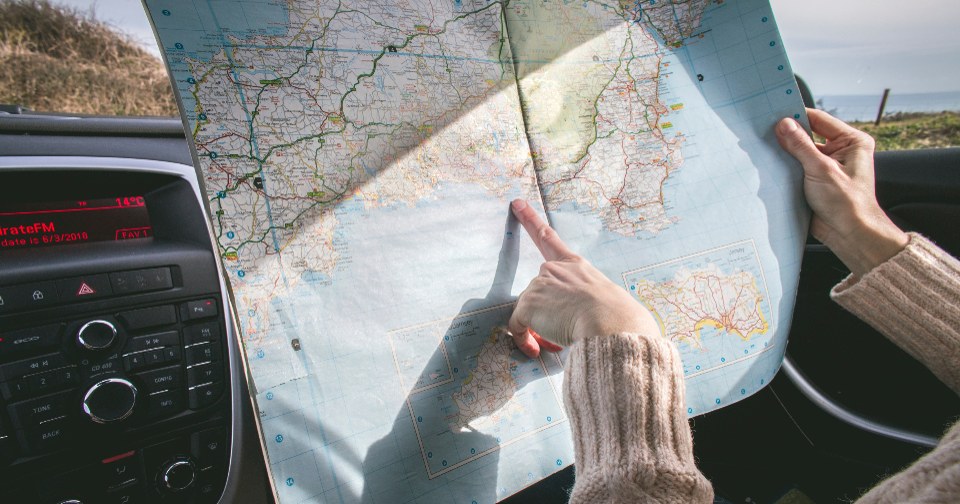
Open a map and look at where the places you want to visit are. Then check how you would get from your accommodation to those places. Ask yourself:
- Can I walk to the main sights, or will I need public transport?
- Is there a station or bus stop close by?
- Will I arrive late at night, and is the route safe and easy?
- Are there shops, cafes or pharmacies nearby for everyday needs?
Staying right in the busiest area can be exciting, but it may also be noisy. A calmer neighbourhood a short ride away can give you better sleep. Think about which matters more to you.
If you are travelling to a remote area, such as a mountain village or a small island, check how often transport runs and what time it stops. Some places have very limited services, so arriving without a plan can be stressful.
Read the Details and Reviews Wisely
A listing’s photos only tell part of the story. Take time to read the full description and look for practical details.
- Check the facilities. If you need air conditioning, heating, a lift, a kitchen or reliable internet, make sure it is clearly listed.
- Look at the room and bed details. Confirm the number of beds, the room size and whether a bathroom is private or shared.
- Read the house rules. Check-in times, quiet hours and rules about children or pets can affect your plans.
- Read a range of guest comments. Look for patterns. If many guests mention the same issue, such as noise or distance from the centre, take it seriously.
- Look at the date of the comments. Recent feedback is more useful than very old comments.
Be a little careful with photos that look too perfect. If you can, compare a few different photos and check where the place is on the map. If something is unclear, you can usually send a question to the host before you book.
Plan for Accessibility, Safety and Comfort
Comfort is personal, so think about your own needs. If you have trouble with stairs, look for a ground-floor room or a building with a lift. If you travel with a stroller or heavy luggage, a short, flat route from the street to your door will make life easier.
Safety matters too. Look for a place with working locks, good lighting at the entrance and a safe spot for your valuables. Check where the nearest emergency services and medical help can be found, especially in remote areas. It is also wise to know how to contact the host or reception if something goes wrong.
If you are sensitive to noise, think about what is nearby. Busy roads, late-night venues and building work can affect your sleep. Asking for a room away from the street is a simple request that often helps.
Understand the Booking Terms Before You Confirm
Before you confirm anything, read the booking terms carefully. This part is easy to skip, but it can save you a lot of trouble later.
- Find out the cancellation rules and the date until which you can change your plans.
- Check what is included in the total cost, and whether any local taxes or extra charges apply on arrival.
- Confirm the check-in and check-out times, especially if your transport arrives very early or leaves late.
- See whether you must pay a deposit, and how and when it is returned.
- Keep a copy of your confirmation, either on your phone or on paper.
If your plans might change, a flexible booking can give you peace of mind. If your dates are fixed, you may be happy with a stricter option. Whichever you choose, make sure you understand it before you agree.
Conclusion
Choosing where to stay does not need to be complicated. Start with the purpose of your trip, pick a type of accommodation that fits your needs, and think hard about location. Read the details, plan for comfort and safety, and understand the booking terms before you confirm.
Take your time, ask questions when something is unclear, and check official sources for any local rules that may affect your stay. A thoughtful choice now will help you enjoy every day of your trip with less stress.
This article is for general informational purposes only. Travel conditions and requirements can change, so please check official sources before making travel decisions.