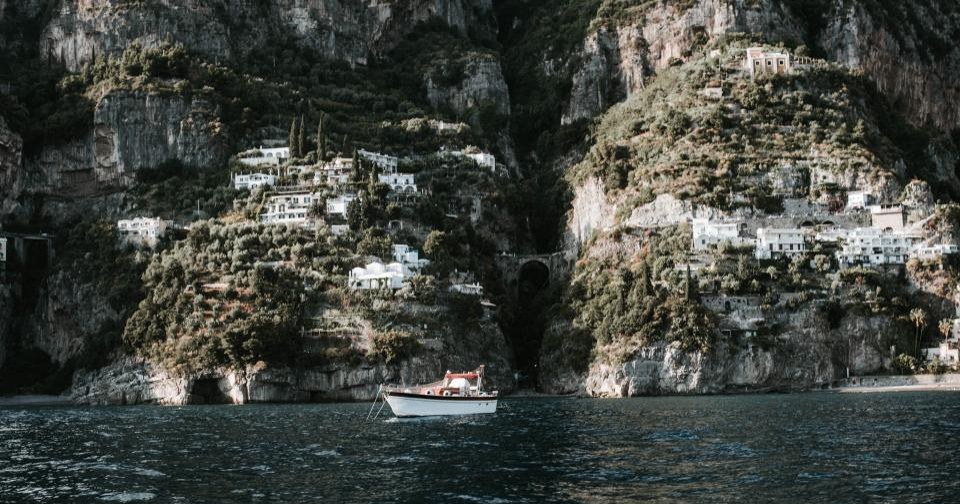
Villages built on steep coastal cliffs are some of the most photographed places in the world. White houses stack up the hillside, narrow lanes wind between them, and the sea sits right below. They are lovely to visit, but they work differently from flat towns. This guide covers what to know before you go.
Understand the Layout and the Climb
Cliffside villages are shaped by their terrain. Houses, shops and viewpoints are often connected by long staircases, sloping lanes and steep ramps. A place that looks close on a map can take much longer to reach on foot than you expect.
Think about the climb before you choose where to stay or what to see. Going down to the water is easy, but coming back up with tired legs and a warm sun overhead is the hard part. Many visitors plan the uphill walk for the cooler parts of the day.
- Expect many steps, and sometimes no handrails.
- Allow extra time for every walk, especially with children or older travellers.
- Take breaks in the shade and drink water often.
- If mobility is a concern, ask about step-free routes and local shuttle options before you arrive.
Looking at a map with elevation shading before you travel can give you a good picture of how steep the area really is.
Pack for Stairs, Sun and Sea Breezes
What you carry matters a great deal in a village with no flat ground. A heavy suitcase with small wheels is difficult on cobblestones and impossible on stairs. Pack light enough that you can lift your own bag.
A small daypack is often more useful than a large handbag, because it leaves both hands free for rails and railings. Here is a simple packing list for this type of trip:
- Comfortable shoes with good grip, since polished stone can be slippery, especially when wet.
- A sun hat, sunglasses and sun protection, because cliff lanes can have little shade.
- A light layer for cooler evenings and windy boat rides.
- A refillable water bottle.
- A small bag or pouch to keep your phone and documents secure.
If you plan to swim, bring water shoes. Many small beaches below cliffs are rocky or pebbly rather than sandy.
Plan Your Arrival and Getting Around
Getting into a cliffside village is often part of the adventure. Roads can be narrow, winding and busy at peak times, and parking is usually limited. Some areas restrict vehicle access, so a car may be more trouble than help.
Before you travel, find out how people normally reach the village. Common options include local buses, shared transport, boats and walking paths. Check the current timetables and conditions with the official local transport or tourism information source, because services can change with the season and the weather.
A few practical tips can make arrival smoother:
- Save the exact address and a simple route description offline on your phone.
- Ask your host how to get from the nearest drop-off point to your door, including how many steps are involved.
- Arrive during daylight if you can, since unlit lanes are harder to navigate.
- Keep some local cash and a backup way to pay, as small businesses may prefer one over the other.
Be a Considerate Visitor
These villages are real communities, not just scenery. People live, work and raise families in the same lanes that visitors photograph. A little thought goes a long way toward keeping the place pleasant for everyone.
- Keep your voice down in residential areas, especially early in the morning and late at night.
- Ask before photographing people, and avoid pointing cameras into private windows or doorways.
- Stay on marked paths and do not climb walls or private terraces for a better view.
- Take your rubbish with you if bins are scarce.
- Buy from local bakeries, cafes and family-run shops when you can.
Dress respectfully when you go into churches, chapels or other places of worship. Covering shoulders and knees is a common courtesy in many regions, but check local guidance for what is expected.
Stay Safe Near Cliffs and Water
The same landscape that makes these villages beautiful also brings real risks. Steep drops, loose stones and strong water all deserve respect.
Stay well back from unfenced edges, and take extra care when taking photos, because it is easy to step backward without looking. Avoid walking near cliff edges after heavy rain, when the ground can be unstable. Follow any signs or barriers, as they are placed there for a reason.
If you plan to swim or take a boat trip, look at the conditions first. Currents, waves and wind can change quickly along a rocky coast. Look for local safety flags or notices, and ask residents or official staff about swimming conditions. Never swim alone in unfamiliar water, and keep a close eye on children at all times.
It is also wise to know how to contact local emergency services and to tell someone where you are going if you plan a longer walk along coastal paths.
Choose the Right Time and Pace
Popular cliffside villages can become very crowded in peak season, and the narrow lanes feel it more than most places. If your schedule allows, visit outside the busiest months or arrive early in the day, when the light is soft and the lanes are quiet.
Some villages have a quieter off season, when a few shops or restaurants may close. Weather can also be less settled, and boat services may run less often. Neither is necessarily a problem, but it helps to know what to expect, so check official sources for opening times and conditions before you go.
Try not to rush. The best part of a village like this is often simple: a slow walk, a long meal, a quiet bench with a view of the water. If you can spend a night or two instead of a quick day visit, you will see the village after the day crowds leave, and you will enjoy it far more.
Conclusion
A cliffside coastal village rewards visitors who prepare a little. Pack light, wear sturdy shoes, plan how you will arrive, and give yourself time to climb at a gentle pace. Respect the people who live there, stay careful near edges and water, and check official sources for transport, weather and local rules before you travel. With the right approach, you can enjoy the views, the food and the calm atmosphere while leaving the place just as lovely for the next visitor.
This article is for general informational purposes only. Travel conditions and requirements can change, so please check official sources before making travel decisions.